
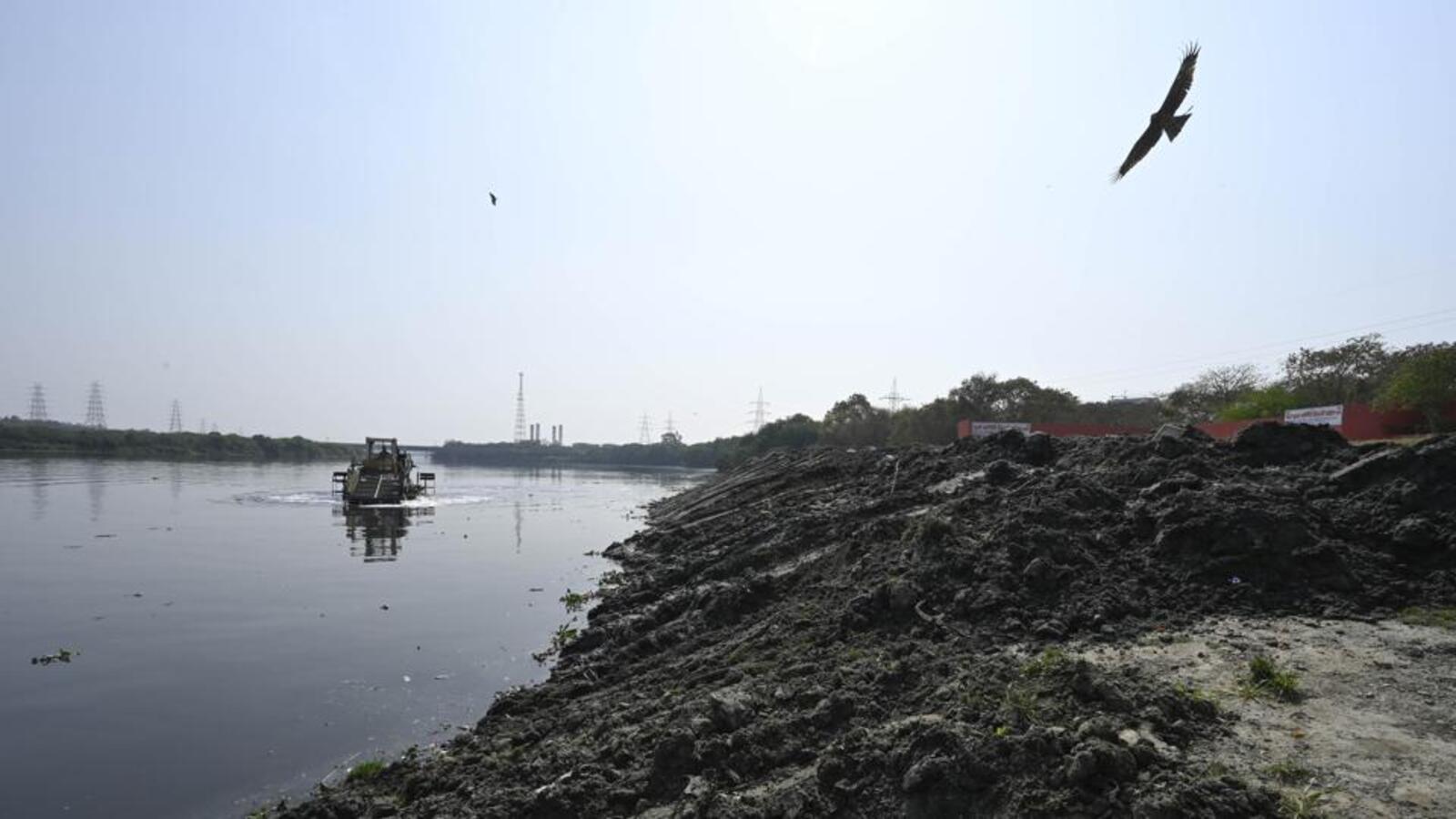
Yamuna in Delhi has surpassed the threshold of pollution, and any interference in its rejuvenation efforts under the guise of humanitarian or sympathetic consideration is unjustified, the Delhi high court has held, while upholding Delhi Development Authority (DDA)’s action of uprooting plant nurseries located on the Yamuna floodplains.

“The present condition of the Yamuna has surpassed the threshold where any further interference in its rejuvenation and restoration efforts—whether under the guise of humanitarian or sympathetic considerations—cannot be justified. Any such intervention would only serve to hinder and delay the timely execution of the public projects referred hereinbefore,” a bench of justice Dharmesh Sharma said in a ruling delivered on Friday.
The court ruling came on a day when another high court bench expressed its displeasure over non-installation of common effluent treatment plants (CETP) in 16 of 33 industrial areas in Delhi, and said this presented a “shocking state of affairs” as the lack of CETPs was resulting in free flow of untreated effluents into theYamuna.
The matter arose from a plea filed by Harit Nurseries Welfare Association, a society claiming to be working for the welfare of several plant nurseries engaged in horticulture for the past several years in the area of Yamuna Khadar. It sought permission for horticulturists to continue their profession at the same place uninterrupted.
In their petition, the association asserted that they were “soldiers of the environment” and the residents of Delhi have oxygen to breathe owing to their efforts in the area. But the DDA in 2019 uprooted their nurseries and destroyed the plantation with bulldozers. Such action, the association argued, was undertaken without following the process of law and the drive was conducted without granting them an opportunity to be heard.
The DDA, represented by advocate Prabhsahay Kaur, submitted that the encroached upon land was located on the Yamuna floodplains and was government land on which the authority had to undertake eco restoration plantation as a part of a public project called “Mayur Nature Park”, a bio diversity park being developed for securing Delhi’s green cover.
In its 10-page order, the court further held that the association besides its “flimsy attempt” to tug its conscience, had failed to demonstrate any reasonable and justifiable grounds for protection from dispossession over the land. it said that there was nothing on record to hold them as “bhumidars (landholder)” with respect to the large tract of land either.
“There is neither any description of their exact location nor is there any site plan. There is nothing on the record to hold them as bhumidars or asamis with respect to the large tract of land either. Thus, they have woefully failed to demonstrate any reasonable or justifiable grounds to be afforded protection from dispossession over the subject land,” the court maintained.
